Morning Glory: A Flower With a Past
From Aztec ceremony to Victorian garden walls — the surprisingly rich history of a humble bloom
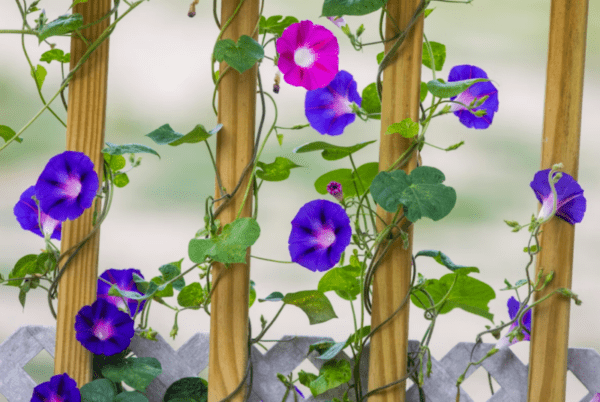
If you've ever watched a morning glory unfurl its trumpet-shaped blooms at dawn only to close them by afternoon, you've witnessed one of nature's tidiest little dramas. But this garden-fence staple has a history far older — and far more interesting — than its cheerful appearance suggests.
Long before it became a Victorian cottage garden favourite, morning glory was deeply woven into the spiritual and ceremonial life of Mesoamerican cultures. And the story of how it traveled from ancient ritual to suburban trellis is worth telling.
Sacred Roots in Mesoamerica
The Aztecs knew morning glory as tlitlitzin or ololiuqui — names used for seeds of Ipomoea and its close relative Turbina corymbosa. These weren't merely garden plants. They were considered sacred, used in religious ceremonies and divination rituals by priests and healers who believed the plant could bridge the human and divine worlds.
Spanish colonisers in the 16th century were alarmed by these ceremonies and documented them with a mix of fascination and horror. The Franciscan friar Bernardino de Sahagún wrote about ololiuqui in his monumental Florentine Codex, describing it as a plant that could induce visions — something the colonial authorities moved quickly to suppress as idolatry.
Despite Spanish suppression, the use of morning glory seeds in traditional Mazatec and Zapotec healing practices quietly survived in the mountains of Oaxaca, where indigenous curanderos (healers) continued to use them well into the 20th century — far from the attention of the outside world.
Rediscovery in the 20th Century
For centuries, Western botanists assumed the accounts of ololiuqui's effects were exaggeration or superstition. That changed in the 1930s when the pioneering ethnobotanist Richard Evans Schultes travelled to Oaxaca and confirmed that the seeds were still in ceremonial use. His documentation brought the plant back to scientific attention after nearly 400 years of obscurity.
The mystery deepened in 1960 when Swiss chemist Albert Hofmann — already famous for synthesising LSD — analysed morning glory seeds and found they contained naturally occurring ergot alkaloids, closely related compounds to those he had worked with for years. It was an extraordinary find: a garden-variety flowering plant carrying chemistry previously associated only with a medieval grain fungus.
Hofmann's discovery sparked enormous scientific interest, and morning glory suddenly went from being the sort of plant your grandmother grew on a picket fence to a subject of serious pharmacological research.
From Temples to Trellises
Meanwhile, morning glory had been living a completely separate life as an ornamental plant across Europe and Asia. Introduced to Europe from the Americas in the 16th century, Ipomoea purpurea and related species quickly became prized for their vigorous growth and vivid blooms. By the Victorian era they were a staple of cottage gardens across Britain, their blue-purple flowers climbing fences with cheerful indifference to their ceremonial past.
In East Asia, Ipomoea nil — known in Japan as asagao (literally "morning face") — had been cultivated for centuries and was a serious subject of horticultural competition during the Edo period. Japanese breeders developed hundreds of highly ornamental varieties, some with wildly ruffled or variegated blooms that barely resemble the wild flower.
A Plant That Keeps Surprising
Today, morning glory is all three things at once: a sacred plant in indigenous Mesoamerican traditions that never really went away, a chapter in the history of ethnobotany and 20th-century pharmacology, and a perfectly ordinary garden flower blooming on fences from San Diego to Surrey.
There's something quietly remarkable about that. The same plant that Aztec priests used in ceremony, that baffled Spanish colonisers, that Albert Hofmann puzzled over in a Geneva laboratory, is probably growing somewhere within a kilometre of you right now — twining its way up a wire fence, opening at sunrise, closing at noon, entirely unbothered by its complicated past.