
Calendula
Calendula officinalis — The Pot Marigold Calendula officinalis, commonly known as the pot marigold, is one of the most versatile and historically celebrated plants in

Calendula officinalis, commonly known as the pot marigold, is one of the most versatile and historically celebrated plants in the world. With its vivid orange and yellow blooms, it has served humanity for centuries as a medicine, a dye, a culinary ingredient, and a garden staple. Few plants can claim such a broad and enduring legacy.
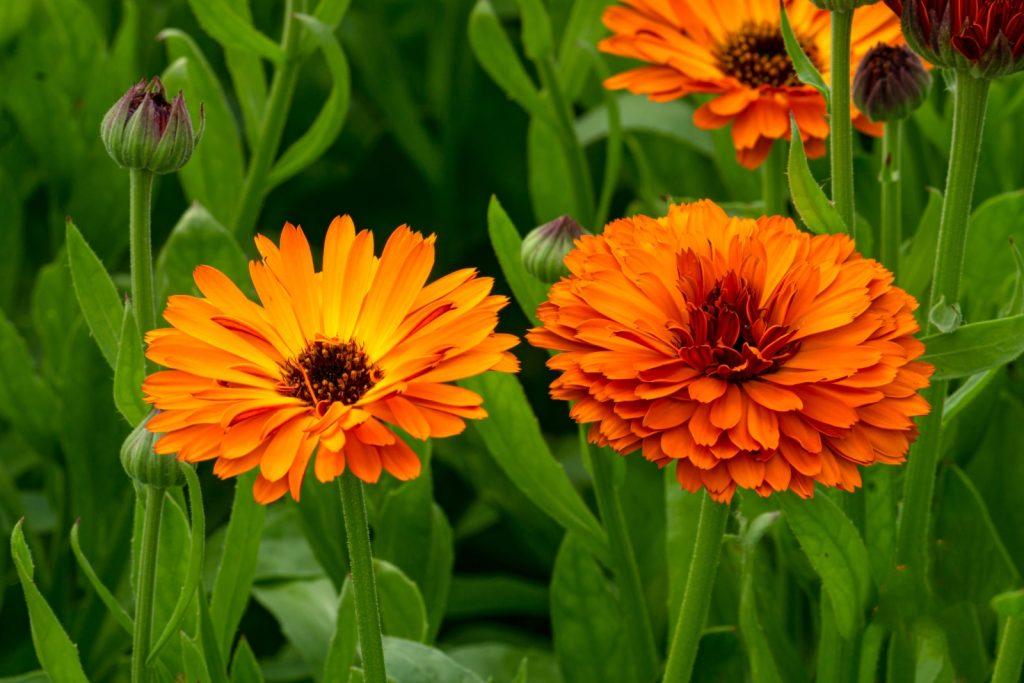
Belonging to the family Asteraceae, Calendula officinalis is a herbaceous annual or short-lived perennial native to southern Europe and the Mediterranean region. The plant typically grows 30–60 cm tall, producing daisy-like flowers in shades ranging from pale yellow to deep burnt orange. Its name derives from the Latin calendae — meaning the first day of the month — a nod to its remarkable tendency to bloom across many months of the year, often following the sun as it moves across the sky.
The leaves are simple, lance-shaped, and slightly sticky to the touch due to resinous secretions. The flowers close at night and on overcast days, a behavior known as nyctinasty.
Calendula has been cultivated for well over a thousand years. Ancient Egyptians prized it for its rejuvenating properties, while Greeks and Romans used it to garland festivals and flavor foods. In medieval Europe, it was a fixture in monastery gardens and was believed to protect against evil spirits. The English herbalist John Gerard wrote enthusiastically about it in the 16th century, calling it “a comfort to the heart and spirits.”
During the American Civil War and World War I, field surgeons applied calendula poultices directly to wounds, making use of its well-observed antiseptic and anti-inflammatory properties before modern antibiotics existed.
Modern science has largely validated what traditional healers intuited. The flowers are rich in a range of bioactive compounds, including:
Flavonoids (quercetin, isorhamnetin) — powerful antioxidants
Triterpenoids (oleanolic acid, ursolic acid) — responsible for much of its anti-inflammatory action
Carotenoids — which give the petals their color and contribute to wound healing
Essential oils and resins — with antimicrobial activity
Polysaccharides — supporting immune function
Studies have demonstrated that calendula extracts can accelerate wound healing, reduce dermatitis, and soothe mucous membranes. It is commonly used topically for burns, eczema, diaper rash, and surgical incisions. Clinical trials have also explored its role in reducing radiation-induced skin reactions in cancer patients undergoing radiotherapy, with promising results.
Internally, calendula tea has long been used to support digestive health, ease menstrual cramps, and reduce inflammation of the gastric mucosa.
The petals of Calendula officinalis are entirely edible and have a mildly bitter, peppery flavor. Historically, they were used as an affordable substitute for saffron — earning calendula the nickname “poor man’s saffron” — to color butter, cheese, and broths. Today, the fresh petals make a colorful addition to salads, rice dishes, soups, and baked goods. They can also be steeped into oils and vinegars or crystallized for cake decoration.
In Skincare and Cosmetics
Calendula is one of the most popular botanicals in natural skincare. Its combination of anti-inflammatory, antimicrobial, and wound-healing properties makes it ideal for sensitive, irritated, or damaged skin. It appears in countless formulations — creams, balms, serums, shampoos, and baby products. Calendula-infused oil, made by steeping dried petals in a carrier oil such as olive or jojoba, is a simple and effective home preparation for dry or inflamed skin.
One of the great virtues of Calendula officinalis is how easy it is to grow. It thrives in cool weather and is tolerant of light frost, making it ideal for early spring or autumn planting. It prefers full sun and well-drained soil, though it is remarkably unfussy. Direct sowing seeds into the ground is usually all that’s needed.
In the garden, calendula is a generous companion plant — its strong scent deters aphids and whitefly, and its open flowers are a magnet for beneficial insects like hoverflies and bees. Deadheading regularly encourages prolific blooming from spring through to the first hard frost.
Whether you encounter Calendula officinalis as a healing salve, a tea, a splash of color in a salad, or simply a cheerful bloom in a garden border, this is a plant that rewards attention. Its long history of human use is not coincidence — it is a record of genuine utility, held across cultures and centuries. For those interested in herbalism, home gardening, or natural skincare, calendula is an excellent place to start.

Calendula officinalis — The Pot Marigold Calendula officinalis, commonly known as the pot marigold, is one of the most versatile and historically celebrated plants in

Few plants carry as much history, cultural weight, and scientific intrigue as Glycyrrhiza glabra — the plant the world knows simply as licorice. From the
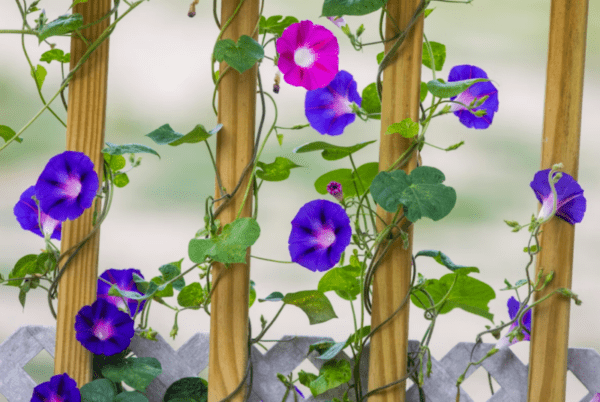
Morning Glory: A Flower With a Past From Aztec ceremony to Victorian garden walls — the surprisingly rich history of a humble bloom If you’ve
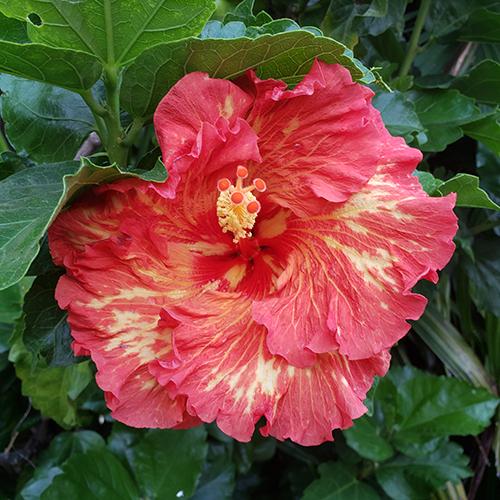
Hibiscus helped save our puppy We found a pedigree Golden retriever for sale for $50 in the local paper. At the time, they were selling